 Buy Now, Pay Later
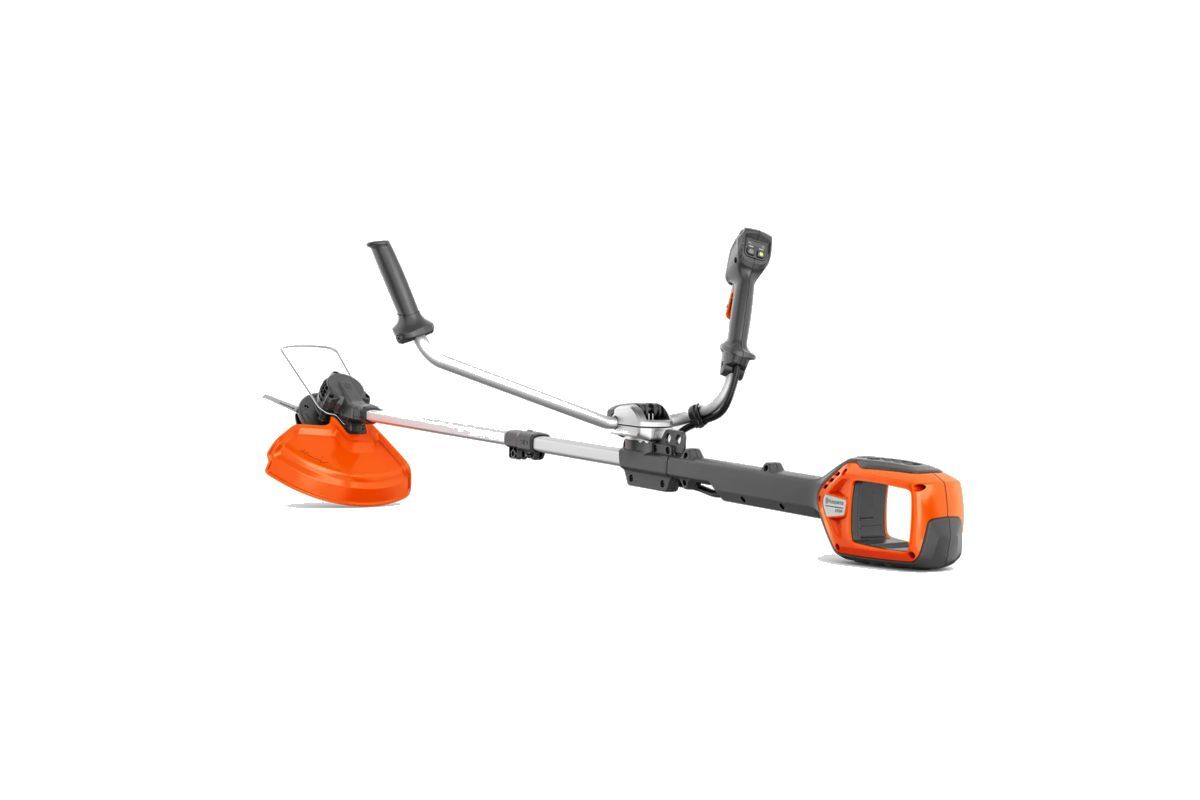
Husqvarna 220iR BRUSHCUTTER without battery and charger
Product Description
Husqvarna 220iR combines high performance with excellent ergonomics, making it an optimal grass trimmer for large gardens. The bullhorn handle, telescopic shaft, and padded harness are adjustable, ensuring a comfortable and enjoyable user experience, even during extensive trimming sessions. With the stepless speed control, you can also adjust the power to the task at hand. In addition to the R25 trimmer head for effective grass trimming, a Tri-Cut trimmer head with plastic knives is included, which is ideal for handling tougher jobs like overgrown areas outside the garden. When the trimmer needs to be stored or transported, you can take advantage of the telescopic shaft and the foldable handle to make it highly compact and easy to handle. Part of Husqvarna's flexible 36V system BLi-X, allowing one battery to be used for several tools.
THIS IS SKIN ONLY


What is an inverter generator?
An inverter generator is a type of generator that produces AC (alternating current) power by converting DC (direct current) power using advanced electronic circuitry. Inverter generators are designed to be more efficient and quieter than traditional generators, making them popular for camping, RVing, and other outdoor activities where noise and portability are important factors.
Unlike conventional generators, inverter generators are designed to produce clean and stable power that is suitable for sensitive electronics such as laptops, smartphones, and other electronic devices. They also have a smaller and more lightweight design compared to traditional generators, making them easier to transport and store.
What size generator do I need?
Inverter generators typically u se gasoline as fuel, but some models can also run on propane or natural gas. They come in a range of sizes and power outputs, from small portable models that produce a few hundred watts to larger models that can produce several thousand watts of power. The size of the generator you need depends on several factors such as the power requirements of the appliances and devices you want to run, the duration of use, and the type of generator you choose. Here are the steps to help you determine the appropriate size of generator for your needs:
- Determine the total wattage of the appliances and devices you plan to power simultaneously. You can find this information on the label or in the manual of each device.
- Add up the wattage of all the devices you want to run simultaneously. This gives you the total wattage required.
- Decide how long you need to run the generator. If you plan to use it for extended periods, you may need a larger generator to ensure that it can sustain the load.
- Consider the type of generator you want. Portable generators typically have lower wattage capacities than standby generators.
- Choose a generator with a wattage capacity that is equal to or greater than the total wattage required by your devices. It's better to choose a generator with a slightly higher capacity to ensure that it can handle any sudden surges in power demand.
In summary, to determine the appropriate size of generator you need, you need to calculate the total wattage of the devices you plan to run, consider the duration of use, and choose a generator with a wattage capacity that can handle the total load.